How to choose the right insurance cover when renting a car
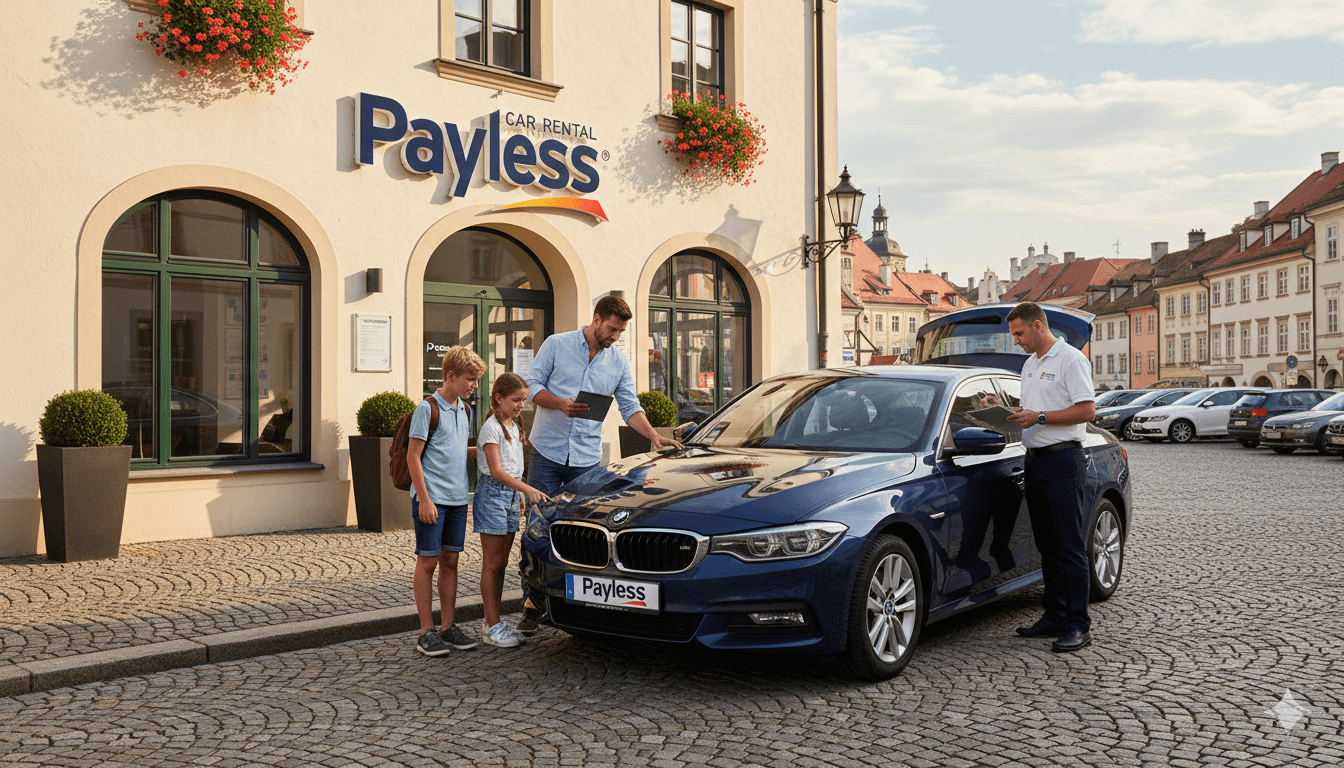
A borrowed car will give you freedom - but even a minor scratch can mean an unpleasantly high bill. The key difference is that when you rent, you often don't pay the 'full damage', but the excess/deductible, which can be in the hundreds or thousands of euros. This article will clearly explain what types of insurance are used when renting, what to check in the terms and conditions and how to choose cover that makes sense for your route, family and budget.
Why rental insurance is different from "car insurance at home"
When you own your own car, you are used to having insurance and often breakdown cover. However, when you rent, you are faced with a different model:
- Basic coverage is usually included in the rental price, but it has a deductible (the amount you pay in the event of a loss).
- The rental car company often blocks a deposit on your card - typically just the amount of the deductible + a reserve for fees.
- Some damages may be excluded from insurance (e.g. interior, undercarriage, wheels, glass) if you don't have extended coverage.
Bottom line: don't just ask "do I have insurance?", but more importantly: how much is the deductible, what exactly is covered and what is not covered.
Glossary (so you don't get lost in the abbreviations)
Excess / Deductible
The amount you pay for damage/theft even if the car is "insured". Often this is the amount that the car hire company will lock up as a deposit.
Deposit
A temporary block on a payment card. Used for cover:
- Deductible for damage/theft,
- fuel, fines, tolls and other charges,
- minor damages.
CDW / LDW / TP (most common packages)
- CDW (Collision Damage Waiver) - "Collision Damage W aiver" coverage on a vehicle (usually with a deductible).
- LDW (Loss Damage Waiver) - damage/loss cover (different terminology used in some countries).
- TP (Theft Protection) - theft protection (usually with a deductible).
SCDW / Super cover (reduction of deductible)
Extended cover that reduces the deductible (sometimes to zero) and often adds "sensitive" parts to the car - windows, wheels, chassis.
Excess reimbursement
A type of insurance that will reimburse your excess (up to a limit) in the event of an incident. It works differently to extended cover directly with the car hire company - always check the terms and conditions.
What insurance solutions do you most often have to choose from when renting
1) Basic cover included in the rental price
Suitable for experienced drivers and short city journeys - if you don't mind a higher excess.
Typically applies:
- Damage is covered, but you pay up to the excess,
- some parts of the vehicle may be excluded (e.g. windows, rims, interior).
2) Extended coverage directly with the rental company (recommended for families)
Suitable if you want:
- Reduce stress (and "how much will it cost me if..."),
- to have frequent small items covered (glass, wheel, undercarriage),
- Have a lower deposit (often - not always - lower deductible = lower deposit).
PAYLESS tip: With standard insurance, the deductible can be higher (e.g. in the hundreds up to €1,500). Extended packages can reduce the deductible significantly or set it to zero, depending on the coverage chosen.
3) Deductible insurance (e.g. DEFEND Car Hire XS)
This solution is particularly popular with people who rent a car several times a year or travel abroad.
What it usually solves:
- Reimbursement of the deductible in case of damage/theft (up to the limit),
- often extras such as glass, tyres, towing, keys or misfuelling (subject to conditions).
Important "but":
- Often you must first pay the deductible to the rental company and only then claim a refund,
- territorial restrictions and exclusions apply (e.g. interior, off-road, alcohol, etc.).
5 steps to choose the right cover (practical methodology)
Step 1 - Assess the route and the real risks
Ask yourself 3 questions:
- Am I only going in the city, or am I also going on the highways and in the mountains?
- Will I park on the street (higher risk of scrapes, parking incidents)?
- Do I plan on winter, mountain passes, gravel roads (higher risk of glass, tires, undercarriage)?
Rule of thumb for families: if you're traveling with kids and luggage and don't want to deal with "detail disputes" over minor damage, extended coverage tends to be the most "peace of mind".
Step 2 - Check your deductible and deposit (this is your "real money")
Sometimes the cost of rent is low, but:
- The deductible is high,
- the deposit will lock up a large portion of your card limit,
- you deal with the paperwork and wait for a bill when you have a claim.
Tip: If you're travelling on holiday, also take into account that a deposit can reduce the available limit on your card for hotel, flights or other bookings.
Step 3 - Check for exclusions (the most common surprises)
The most common "painful" lockouts:
- Interior (leaks, burnt upholstery, soiling),
- undercarriage and roof,
- Wheels, rims, tires, glass (no extended coverage),
- damages without proper reporting (accident report, police at serious incident, reporting to car rental company).
Step 4 - Check drivers, age and foreign country
- Will there be two people driving? Make sure they are listed on the contract.
- Younger drivers may have specific rules and fees.
- If you are going abroad, check:
- allowed countries,
- toll conditions, motorway vignettes,
- assistance numbers and accident procedures.
Step 5 - Do a mini "cost vs. risk" calculation
Simple approach:
- If extended cover costs e.g. €8/day and you rent for 7 days → €56.
- If the deductible is €1,000 → you only need 1 minor incident in a few years of travel and the cover will "pay for itself" at rest.
Note: This is an illustrative calculation. The specific package, the deductible, the itinerary and your preferences are decisive.
Scenarios: what to recommend to families and tourists
City break (2-4 days) in Europe
Risks: parking, scratches, small damages.
Recommendation: extended cover at least for windows/wheels if you park on the street.
Family holiday (7-14 days) + long transfers
Risks: fatigue, motorways, luggage, higher likelihood of minor incident.
Recommendation: package with reduced/0 deductible + assistance.
Winter and mountains (Tatras, Alps)
Risks: flying pebbles (glass), snow chains, undercarriage, wheels.
Recommendation: cover for glass, wheels and chassis + clear rules for winter equipment.
Multi-seater car/van
Risks: larger size, poorer visibility, parking, higher repairs.
Recommendation: extended cover is often a 'must-have' - especially for families and tourists in an unfamiliar city.
Specific data (Slovakia / EU) and what it shows
- EU: Approximately ~19,800 - 19,940 people will die on EU roads in 2024 (preliminary data).
- Slovakia: 11,434 road accidents and 262 deaths were recorded in Slovakia in 2024.
What this means for car rental (practically):
- Car travel is common, but accidents are not "zero risk" - especially on longer routes,
- even if the accident is minor, the paperwork and costs can be unpleasant if you have a high deductible,
- families often appreciate cover that also deals with the typical 'small stuff' (glass, wheel, keys).
Trends 2026: why coverages are changing (and sometimes getting more expensive)
In practice, we see 4 trends that affect rental insurance:
- Rising repair costs (more expensive parts, sensors, calibrations).
- Higher claims in some segments (urban traffic, vans, winter season).
- Pressure from insurers for higher deductibles and more precise exclusions (especially for specific claims).
- Growth in interest in excess reimbursementproducts - for people who want a predictable budget.
The investment view: insurance as "risk management" (not just an expense)
When renting a car, you always have 2 costs:
- A certain cost: the rental price + a surcharge for extended coverage.
- Uncertain cost: deductible and fees if damage/theft occurs.
Extended coverage or excess insurance is often rational from a family's perspective if:
- You don't want to tie up a large deposit on the card,
- you are planning a longer route or more transfers,
- you are travelling in high season (winter, summer peak) and do not want to deal with time losses.
The best strategy: don't choose the "cheapest" but the most predictable solution for your type of travel.
Checklist before collection and when returning the car (will reduce the risk of disputes)
Before collection
- Photograph the car from all sides (including roof, rims, windscreen).
- Check the damage log and have them write up everything you see.
- Check: deductible, deposit, allowed countries, winter equipment, assistance contacts.
During the rental
- In the event of an accident, always document the situation (photos, data, accident record).
- In the event of a serious incident or dispute, call the police and contact the rental company.
When returning
- Return the car with the agreed fuel.
- Ask for confirmation of the return and the condition of the car.
FAQ: Frequently Asked Questions (People Also Ask)
1) Is rental insurance compulsory?
Basic coverage tends to be included with the rental, but almost always with a deductible. Extended coverage is optional.
2) What is a deductible and why is it so important?
The deductible is the amount you pay when damage/theft occurs. It is the biggest "hidden" financial risk of renting.
3) Does the basic insurance also cover glass, wheels and undercarriage?
Often not - these parts are usually only covered in extended packages. Always check the terms and conditions of the specific rental.
4) What if I don't report the accident right away?
You may lose the opportunity to claim on your insurance. When renting, incident reporting and documentation is key.
5) Is extended coverage at the rental company or a deductible insurance policy better?
Depends on the type of trip. Extended coverage is often easier (less stress on site). Deductible insurance can be advantageous for more frequent rentals - but keep an eye on limits and exclusions.
Summary / TL;DR
- Don't choose insurance by package name, but by deductible, deposit and exclusions.
- For families and hikers, coverage that includes glass, wheels and undercarriage tends to be the most practical.
- Before travelling abroad, check the countries allowed and the accident procedure.
- From a budget perspective, predictability (what happens when damage occurs) is often the most important.
- Photos on receipt + proper protocol = less disputes on return.
Conclusion
Proper rental insurance coverage is not about "paperwork", it's about feeling safe on the road and having predictable costs. If you're travelling with family or abroad, we recommend choosing cover that reduces the excess and also protects typical risks such as glass or wheels.
Would you like advice on choosing a package for your itinerary? Book your vehicle with PAYLESS and select your cover directly at the time of booking - transparently and without hidden surprises.
Sources
- PAYLESS Car - blog and rental instructions (insurance, deposit, accident procedure)
- DEFEND Insurance - Car Hire XS product terms and conditions (limits, territory, exclusions)
- European Commission (DG MOVE) - EU road safety statistics
- Police of the Slovak Republic / road accident statistics (annual summaries)