Trends in short-term vehicle rental for businesses
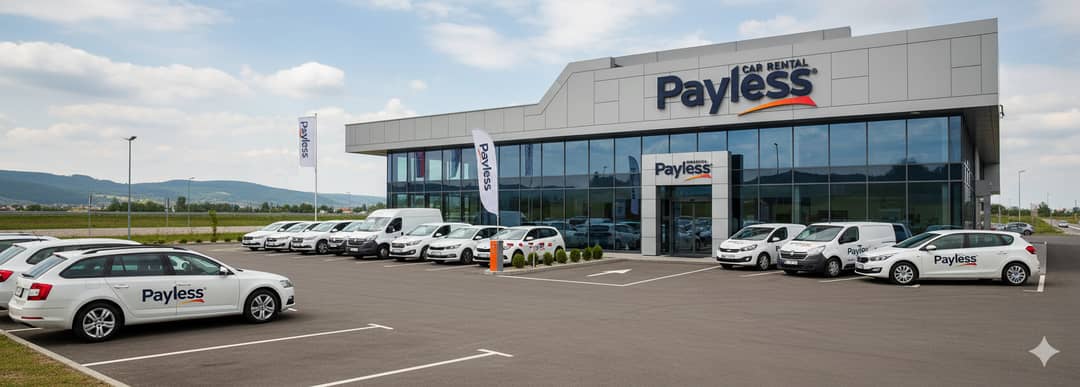 Short-term car rental for business purposes has undergone significant changes in recent years. From being a tool for when "plan B fails," it is becoming a strategic part of corporate mobility—especially for projects, seasonal peaks, and rapid capacity scaling. In this article, we explain the basic concepts, compare solutions (rental vs. leasing vs. own fleet vs. taxi/car sharing), highlight the main trends for 2025, and add an investment perspective with TCO model calculations. The text is written in a professional yet understandable way – so you can take action right away.
What does "short-term rental" mean for companies
Definition and scope
- Short-term rental = typically 1–29 days (in practice, several hours to 6–8 weeks, depending on the conditions), without commitment, with the option of quick extension or vehicle replacement.
- Suitable for project teams, temporary capacity reinforcements, onboarding new employees, seasonal peaks, replacement vehicles during servicing, and events.
- It includes insurance, 24/7 assistance, maintenance and servicing, transparent mileage packages, and clear terms and conditions as standard.
Why is it different from operating leasing ?
- Leasing addresses stable needs for 24–60 months (CAPEX→OPEX, fixed monthly payment).
- Short-term rental is "flexible capacity" – you only pay when you actually need the car, and you can return it immediately.
Tip: If you are unsure about the length of time you will need, choose "business month" or mid-term (1-3 months). This will allow you to smoothly transition to a longer solution without overpaying for unused days.
Comparison of corporate mobility solutions
| Criterion | Short-term rental | Operating lease | Own fleet | Taxi/ride-hailing | Car-sharing (B2C) |
|---|---|---|---|---|---|
| Flexibility | Very high (hours/days) | Middle (years) | Low (tied-up capital) | High on the last mile | High, but limited selection and availability |
| Speed of availability | Immediately / hours | Weeks–months | Purchase/registration | Immediately (if the fleet is nearby) | High, but limited selection and availability |
| Control over the vehicle | High (equipment/type/brand) | High | High (but difficult to manage) | Low | Low |
| Total cost of ownership (TCO) | Low with variable demand | Low with stable demand | High (CAPEX, service, risk) | High for longer routes | Medium to high |
| Administration | Low (1 invoice, no service) | Low–medium | High (management/service/insurance) | Low | Low |
| Brand and representation | Verifiable (new cars) | Verifiable | Verifiable | Low | Inconsistent |
When to choose what ?
- Short-term rental – unpredictable peaks, projects, fast time-to-wheel.
- Operational leasing – stable demand for years, planned mileage.
- Own cars – specific modifications/mission-critical deployment and high annual utilization.
- Taxi/car-sharing – last mile and one-off urban transfers.
 Key trends in short-term rentals
1) Fleet sharing and turnkey pool vehicles
- Companies aggregate pool vehicles that teams can access via a booking app (SSO, permissions, rules).
- Key benefits: high usability, fair cost allocation to centers, audit trail of trips.
- Integration with HR/ERP: automatic driver assignment, mileage logs, export to accounting.
2) Projects and "capacity elasticity"
- Construction, installations, service interventions, promo tours, events – project rentals from 3 days to 12 weeks.
- Variety of types: city hatchbacks, executive sedans, SUVs, vans (L2H2/L3H2), 9-seater MPVs.
3) Digital self-service and 24/7 availability
- Online booking, e-signature of documents, key boxes/digital keys for pick-up outside opening hours.
- SLA: guaranteed delivery times, immediate replacement in case of malfunction.
4) Data, reporting, and CO₂ accounting
- Recommendation for 2025: monitor CO₂/km and consumption at the driving/project level. This helps with CSRD/ESG reporting.
- Rental companies offer monthly reports: costs, mileage, incidents, CO₂, utilization.
5) Electrification and drive mix
- In corporate practice, the "right fuel for the job" is promoted: gasoline/diesel for highways and heavy loads, HEV/PHEV/BEV in the city.
- Short-term EV rentals as a "risk-free pilot" – test the infrastructure and team behavior before making a larger investment.
6) Transparent packages and dynamic pricing
- Packages km/day/month (e.g. 3000 or 5000 km/month) with the option of paying extra for exceeding the limit.
- Bonus-malus logic for damages, fair deposit rules, transparent co-payments.
How to set up corporate mobility: a practical guide (checklist)
Map out your needs (types of trips, number of drivers, estimated mileage, peak times in the calendar).

- Choose a mix of solutions (short-term rental + leasing + taxi/car sharing) based on your route profile.
- Set rules (who can book, approval, allocation of costs to centers/projects).
- Select a partner based on SLA: speed of availability, vehicle replacement, 24/7 assistance, availability of vans/MPVs.
- Set up reporting (CO₂, costs, usage, damage, drivers). Request monthly summaries and API exports.
- 30-day pilot and A/B comparison (e.g., EV vs. ICE in the city, delivery vs. towing a trailer).
- Scale what works (add pool cars, expand types, link budgets to centers).
Investment perspective: when leasing "wins" over owning a car
Model situation (one vehicle):
- Use 8–12 days per month (seasonal peaks, projects).
- When you own a car, you bear CAPEX, servicing, insurance, tires, depreciation, and the risk of underutilization.
- With short-term rental, you only pay for the days you use it, administration is minimal, and the risk is transferred to the provider.
Heuristics for decision-making:
- If usage is < 40–50% of the month, renting is usually more advantageous (lower TCO, no "idle capital").
- If the driving profile is unpredictable, leasing = risk insurance + fast delivery time (hours, not weeks).
- For specialized deliveries (L3H2, refrigerated), consider a combination: core leasing + short-term "spikes."
Tips for TCO calculation
- Include depreciation, service, tires, insurance, highway tolls, parking, fuel/energy, administration, replacement vehicle.
- When leasing, pay attention to: deposit and its capital commitment, co-participation, over-limit fees, fair wear & tear.
Specifics for project teams and departments
Sales & marketing / events
- Short rentals of 2–5 days, often SUV/MPV for teams and equipment; the look & feel and representativeness of the vehicle are important.
Service / installation / construction
- L2H2/L3H2 vans (Euro pallets, heavier loads), reliability and equipment (parking sensors, camera, tow bar) are important.
HR and onboarding
- Rental for new employees for the first month – shortens the time to productivity and eliminates "temporary" solutions.
Management and visits from abroad
- Management vehicles for 2–7 days; require hassle-free pick-up (airport, hotel), e-signature, and assistance.
Legal, insurance, and operational minimum
- Insurance: accident + compulsory motor vehicle liability insurance; check the deductible amount and claims procedure (bonus-malus, replacement guarantee).
- Drivers: age limits and experience; foreigners – valid documents and permits (EU/international driver's license).
- Trips abroad: included or permitted only upon notification? Read the "geographical scope" of the insurance.
- Mileage packages: choose with a reserve; exceeding the limit is more expensive, but sometimes it pays to choose a higher package for peace of mind.
- Service and maintenance: defined SLA (tire replacement, service intervals, replacement vehicle, 24/7 assistance).
Slovakia and the EU: what drives demand today
- SME economy – flexibility is key: small and medium-sized enterprises make up the vast majority of companies in the EU; leasing allows them to scale mobility without commitment.
- Moderate economic growth in 2025 – companies are investing cautiously, preferring OPEX models and pay-as-you-go.
- Deliveries are on the rise – growing demand for commercial vehicles in the e-commerce and services segment.
- Electrification – BEV/HEV/PHEV have double-digit registration shares in the EU; short-term leasing is a safe way to test them in real-world operation.
Note: Detailed statistics (EU/Slovakia) change throughout the year. When evaluating ROI, always work with current data and trends.
How to choose a provider (criteria and questions to ask)
- Speed and availability – can you get a car within hours? Even outside opening hours?
- Fleet size – passenger cars, L2H2/L3H2 vans, 9-seater MPVs, automatic/4×4, electric.
- Corporate packages – business month, mileage packages, fleet sharing access.
- Insurance and deposit – fair co-payments, transparent bonus-malus, and quick deposit release.
- Reporting – monthly reports, CO₂, export to accounting, API.
- SLA and assistance – replacement vehicle, towing, tire service, 24-hour replacement guarantee.
- References and local coverage – airport, city, regional hubs.
FAQ – Frequently Asked Questions (People Also Ask)
How long does it take to arrange a short-term corporate rental?
Usually a few hours – online booking, e-signature, driver verification, and vehicle handover.
What if I only need a car for a few days each month?
Take advantage of short-term rental or business month – you only pay when you use the car, with no commitment.
Is an electric car suitable for short-term rental?
Yes – it's a low-risk pilot. You can test charging, range, and costs in real-world operation, without a long-term commitment.
How is damage to a rented vehicle charged?
According to the contract and the amount of co-participation; some providers apply a bonus-malus system based on damage history.
What is the difference between car sharing and short-term rental?
Car sharing is "car by location" (minutes/hours, limited selection). Short-term rental gives you control over the type of car, equipment, and conditions.
Can I rent vans for projects?
Yes – especially L2H2/L3H2; check the load capacity, length of the loading area, and options (e.g., towing equipment).
Summary / TL;DR
- Short-term rental is a strategic tool for projects and peak periods – you only pay for what you use.
- Fleet sharing and pool vehicles increase utilization and reduce costs.
- Data and CO₂ reporting (ESG/CSRD) are the new standard.
- Mix of powertrains (ICE/HEV/PHEV/BEV) according to driving profile = lower TCO.
- The right partner + clear SLAs = fast deployment and fewer risks.
Keywords and entities
Main KW: short-term rental, corporate mobility, fleet sharing, car rental for projects, corporate solutions.
Related entities and terms: Payless, AVIS, AVIS Van Rental, AVIS MaxiRent, AVIS Lease, operational leasing, car sharing, pool car, business month, L2H2, L3H2, MPV, 9-seater, BEV, PHEV, HEV, ICE, CO₂, ESG, CSRD, reporting, TCO, OPEX, CAPEX, SLA, 24/7 assistance, bonus-malus, deposit, co-participation, Bratislava, Slovakia, EU, Eurostat, ACEA, electrification.
In 2025, short-term rentals will change from a "last resort" to a well-thought-out corporate mobility tool. If you want to quickly launch a project, handle seasonal peaks, or test electrification without a long-term commitment, this is the solution with the best speed/flexibility/risk ratio.
Would you like a no-obligation consultation or a quote? Contact the Payless team – we will prepare a package tailored to your driving profile, from city cars to L2H2/L3H2 vans to 9-seater MPVs.
