Boom in van rentals for renovations and moving
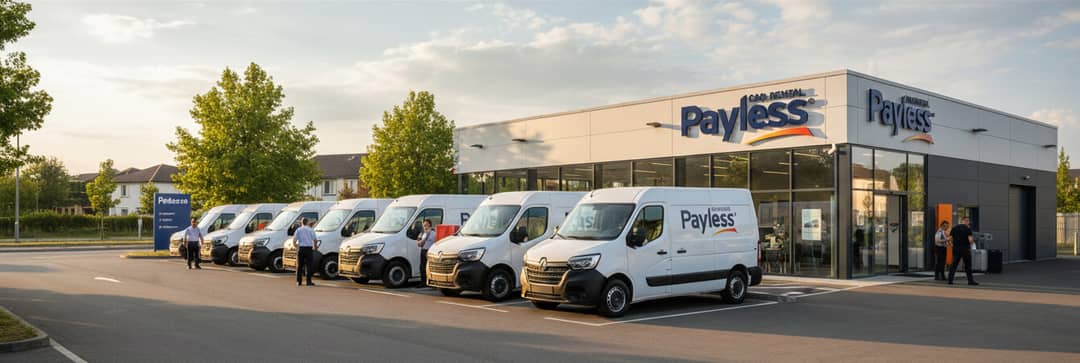
In recent years, we have seen a clear trend in Slovakia and throughout Europe: people and small businesses are increasingly opting for short- or medium-term rentals instead of owning their own vehicles. The boom in apartment and house renovations, rising real estate prices, moving for work or study, and the rise of e-commerce are creating huge demand for flexible and affordable transportation. This article explains why renting a van for renovations and moving is often a better solution, both financially and practically, than buying your own commercial vehicle, and offers specific advice, figures, and market trends.
Why van rentals are booming today
Renovations and energy efficiency are driving demand
A wave of renovations and home insulation is sweeping across the EU. According to Eurostat statistics, in 2023 more than 25% of EU residents lived in households where the energy efficiency of their homes had improved over the previous five years. This means millions of renovations have been carried out or are planned – from window replacement and insulation to complete apartment refurbishments.
Each such renovation involves:
- the delivery of building materials (drywall, OSB boards, insulation, tiles),
- the removal of old furniture and debris,
- the transport of furniture and appliances between temporary and final accommodation.
For a normal passenger car, such a volume of material and load is simply too much. A van with a volume of 10–13 m³ can carry in one go what a passenger car would have to make 4–6 trips to transport.
Moving more often than before
Rising property prices, rental housing, and a more flexible labor market mean that people are moving more often—for work, school, or a change in life circumstances. Every move is a logistical project where you have to choose between two options:
- order a complete moving service, or
- rent a van and do the move yourself.
Young couples, families, and small businesses in particular are increasingly choosing the second option – because of the lower cost and greater control over the process.
European market figures: boom in light commercial vehicles
- The European light commercial vehicle market (LCV – vans up to 3.5 tons) reached a value of more than €100 billion in 2024 and is expected to grow at an average rate of almost 8% per year until 2033.
- In 2024, more than 1.5 million new vans were registered in Europe, representing an approximate 7% year-on-year increase.
This growth confirms that vans are a key tool in the modern economy – from couriers and tradespeople to households undertaking renovations and removals.
Rent a van or own one? Comparison of costs for households

Owning a van may seem attractive – you always have it at your disposal. However, when you do the math, it doesn't make financial sense for most households.
Hidden costs of owning a van
When buying an older van for €10,000, for example, you have to take into account:
- depreciation – after 5 years, the vehicle may only be worth €5,000,
- compulsory contractual insurance and accident insurance,
- servicing and repairs (tires, brakes, corrosion, technical and emissions inspections),
- parking (especially in cities where there are parking cards and zones),
- higher fuel consumption compared to a passenger car.
If you only really need a van a few times a year for moving, renovating, or buying large pieces of furniture, most of the time it will be sitting unused in a parking lot, generating costs.
When is renting a van for household purposes more advantageous?
Renting makes sense especially in the following situations:
- One-time or occasional moving – for example, moving from a rented apartment to your own apartment, or a student moving to another city.
- Intensive but time-limited renovation – you need a van for 3–10 days straight, then not at all for several years.
- Purchasing furniture and equipment – for larger purchases at IKEA or other retailers, it often
- pays to rent a van for a day and transport everything at once.
For one-off and short-term transport needs, van rental is a typical example of "buying a service, not a thing." You only pay when you actually use the van.
Van rental for small businesses: flexible capacity instead of tied-up capital
Small construction companies, craftsmen, moving services, e-shops, and local distributors face a similar question: should they own a van or rent one? The answer often depends on the degree of utilization and the type of jobs.
Advantages of van rental for small businesses
- Capacity flexibility – you don't need three vans in slower months, just one. In the busy season, you can add more on a short-term basis.
- No tied-up capital – investing in your own vehicle does not burden your cash flow. You can use your capital to purchase materials, marketing, or team development.
- Predictable costs – monthly or daily rental includes service, tires, and often insurance. You won't incur unexpected expenses in the event of a major breakdown.
- Modern fleet – when you rent, you have access to newer vehicles that are more economical, safer, and better represent your brand to customers.
Short-term vs. long-term rental
- Short-term rental (1–7 days) is ideal for one-off larger jobs – such as a complete office move, a week of installations for a large client, or a one-off event.
- Medium-term rental (2–3 months) can cover a season – for example, when you have more renovations or moves.
Long-term rental/operational leasing is a solution for companies that need a delivery every day but do not want to own it or deal with selling it after a few years.
How to choose the right van for renovation or moving
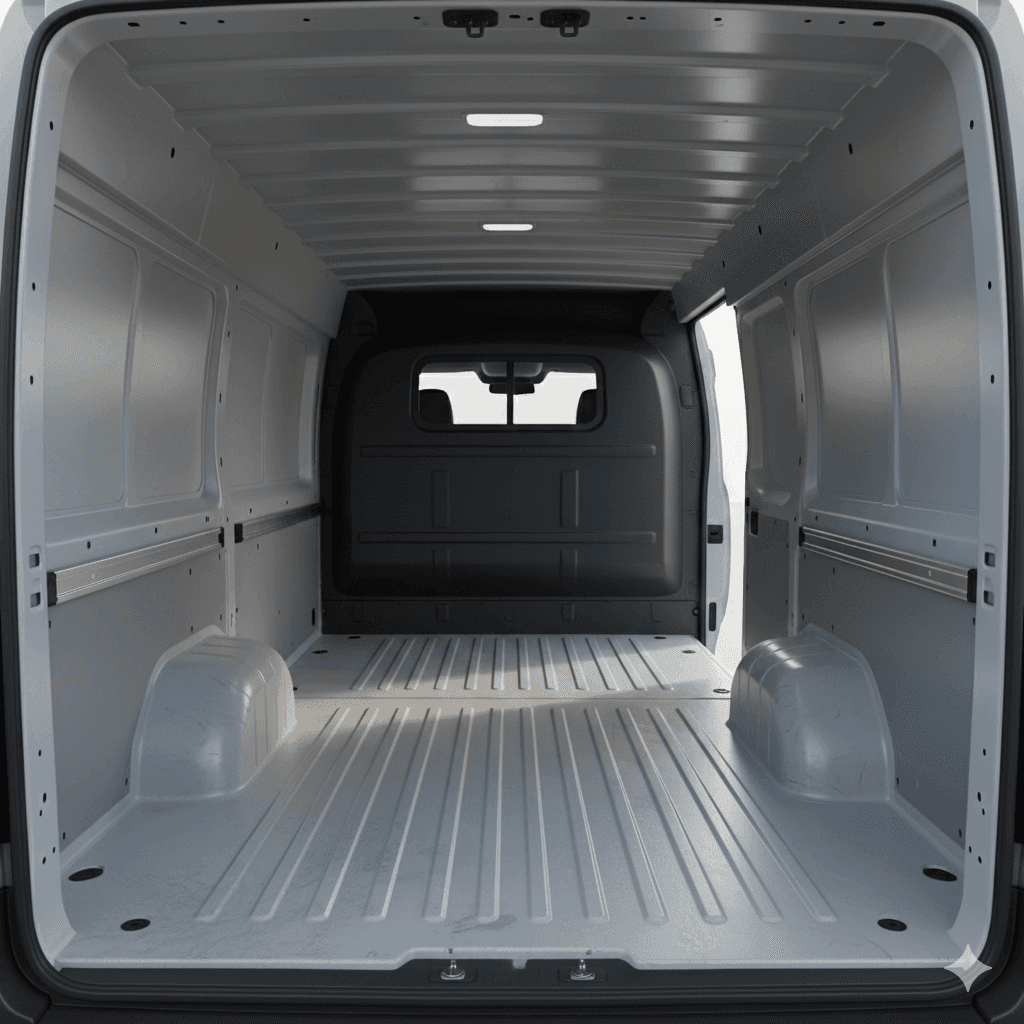
Choosing a van is not just about the price per day. The volume, length of the loading area, load capacity, access to the loading space, and rental conditions are also important.
H3: According to volume and type of cargo
Payless Car Rental distinguishes between the following in its materials:
- Small vans (up to approx. 6 m³) – suitable for smaller furniture purchases, transporting appliances, smaller shipments.
- Medium vans (up to approx. 10–12 m³) – ideal for moving a 1-room or smaller 2-room apartment.
- Larger vans (around 13 m³ and above) – suitable for multi-room apartments, offices, larger volumes of building materials.
When renovating an apartment with furniture replacement and removal of old equipment, medium and larger vans are often the most sensible choice.
H3: Mileage limits and insurance
When choosing a rental company, pay attention to:
- mileage limits – some offers have, for example, 200–300 km/day, while others offer unlimited mileage rentals,
- the amount of co-participation in damage – the standard is a percentage of the value of the damage plus a minimum amount,
- conditions for use abroad – whether you can travel to other EU countries with the van.
Brands such as Payless offer products with discounted mileage and the option of unlimited mileage rentals – which is ideal for long-distance moves or a series of deliveries.
- H3: Short-term, weekend, or monthly rentals
When renovating or moving, it is worth looking at special packages:
- Weekend rentals (Friday–Monday) – suitable if you want to get everything done over the weekend without unnecessary stress.
- Discounted 3-month rentals – a solution for small businesses that experience seasonal increases in orders.
- Daily rentals for 1–3 days – typical for households that only need a van to move from point A to point B.
Payless has long been known as a brand offering affordable short-term rentals, especially in cities where there is high demand for vans for moving and renovations.
How much does it cost to rent a van? Approximate examples
Van rental prices depend on:
- the size of the vehicle,
- the length of the rental,
- the mileage limit,
- the season, and the fleet occupancy rate.
Looking at the Slovak market and public offers, the following applies:
- short-term rental of a medium-sized van for 1 day usually ranges from approximately €50-80 with a limit of around 200-300 km,
- rentals for 2-3 days are usually more affordable in packages (e.g., weekend packages),
- monthly rentals can be significantly cheaper on a per-day basis, especially for companies that use the van almost daily.
When compared to the costs of owning a van (depreciation, insurance, servicing, tires, parking), renting is advantageous for households and small businesses in all cases where you do not use the van every day for most of the year.
Market trends: digitization, electromobility, and new mobility models

Today, van rental is not just about "keys on the counter." The market is changing in several ways:
Digitalization and online reservations
The European car rental market is growing at a rate of around 7-8% per year, with online reservations and mobile apps being the key drivers. Customers expect:
- immediate availability of vehicle information,
- transparent prices,
- the ability to make reservations without calling,
- clear insurance and mileage conditions.
Payless in Slovakia is following this trend – offering online reservations, a clear range of vans, and often special promotions (e.g., long weekends, discounted monthly rentals).
Electric vans and low-emission zones
The commercial vehicle segment is also gradually becoming electrified. The share of electric vans is growing in Europe, and several cities are introducing or preparing low-emission zones where electric cars and newer vehicles with lower emissions will have an advantage.
For households and small businesses, this means that leasing gives them access to more modern and environmentally friendly vehicles than if they were to buy an old van with high fuel consumption and emissions. By leasing, you not only save money, but also help improve air quality in cities.
Shared mobility and on-demand services
In addition to traditional rentals, new models are emerging:
- shared vans within a single company (multiple teams share a single rented van),
- a combination of short-term van rental and courier services (what you can't transport yourself, you can have delivered by courier),
- flexible rates – during slower months, the rental is reduced or suspended.
Why choose PAYLESS for your van rental
Focus on households and small businesses
Payless Car Rental in Slovakia is a brand that understands the needs of ordinary people and small businesses. When it comes to vans, this means:
- a range of small and medium-sized vans ideal for moving homes, offices or transporting materials
- flexible rentals for 1-3 days, weekends, or longer periods, which are suitable for renovations and moving,
- clear insurance and mileage conditions,
- reliable and regularly serviced vehicles so that nothing surprises you during your move.
For larger projects, fleets, or specific delivery requirements (such as long-term rentals, special equipment, or rentals with unlimited mileage), Payless can offer solutions to its customers. Customers get:
- a wider selection of van types,
- the option to combine short-term and long-term rentals,
- service under one roof – from passenger cars to vans.
Frequently asked questions (FAQ)
1. When moving, is it better to rent a van or call a moving company?
If you have at least two helpers (family, friends) and are physically fit, renting a van is usually cheaper. A moving company is a more comfortable option, but at the cost of the entire team's labor and often an hourly rate. For smaller apartments, renting a van for 1-2 days is usually financially worthwhile.
2. What is the minimum age and driver's license required to rent a van?
Most car rental companies, including Payless, require a minimum age of 21 and a Class B driver's license, usually valid for at least 1 year. However, specific conditions may vary depending on the vehicle category and internal rules, so it is always a good idea to check the current information when making a reservation.
3. Can I travel abroad with a rented van?
In most cases, yes, but it must be expressly permitted in the rental agreement. Some car rental companies restrict travel to certain countries or charge an additional fee. Before signing the contract, ask for a list of permitted countries and any additional charges.
4. What happens if the van is damaged during the move?
Accident insurance with co-participation is standard. This means that in the event of damage, you only pay part of the costs (e.g., 10-15% of the damage, at least a certain fixed amount). Always check the amount of co-participation and whether it can be reduced by taking out additional insurance when picking up the vehicle.
5. How far in advance should I reserve delivery for the weekend?
During peak periods (end of the month, start of the school year, before Christmas), it is advisable to reserve a delivery at least 1-2 weeks in advance. Outside of peak periods, a few days is sufficient, but for specific types of deliveries or specific requirements (e.g., a 3-day weekend package), it is better to allow for extra time.
6. Can a rented delivery van also be used for a longer renovation project?
Yes. For projects that last several weeks or months, it is often worthwhile to arrange a medium-term or long-term rental. For a company or household, this means stable availability of a vehicle without the need to invest in your own car and deal with servicing or insurance.
TL;DR – key findings in brief
- Renting a van is often more advantageous for households and small businesses than buying one, especially if the vehicle is not used every day.
- The boom in renovations and relocations in Europe and Slovakia is increasing demand for flexible transport solutions.
- The van and vehicle rental market is growing rapidly, bringing more options, competition, and better conditions for customers.
- Choosing the right van based on volume, mileage, and insurance is key to a safe and efficient move or renovation.
- Payless offers practical, affordable solutions for short-term and longer-term van rentals, with support for more demanding projects.
Keywords and entities used in the text
- Main keywords: deliveries, delivery rental, delivery rentals, moving, delivery rental Bratislava, delivery rental for renovation, short-term delivery rental, weekend delivery rental.
- Related keywords: renovations, apartment renovation, building materials, households, small businesses, craftsmen, moving services, commercial vehicles, light commercial vehicles (LCV), operational leasing, short-term rental, long-term rental, fleet, online booking, vehicle insurance, excess, mileage limits, unlimited mileage rental.
Brands and entities: Payless Car Rental, Europe, European Union, Eurostat, European light commercial vehicle market, European car rental market.
Conclusion
Renting a van is no longer just an "emergency solution" when your personal car is not enough to transport furniture. In the context of rising real estate prices, more frequent moves, and intensive renovations, it is a smart way to have exactly the transport capacity you need – without tying up capital and worrying about maintenance.
If you are planning a move, renovation, or business expansion and need a reliable van for 1-3 days or longer, take the first step today:
- check out Payless's van offerings,
- choose the type and date,
- book online, or contact customer support.
With Payless, you can handle renovations and moving easily – even without your own van.
